Greenhouse Plant Shelf Tumbler Wrap Review
A Designer's First Look at the Layout and Mood
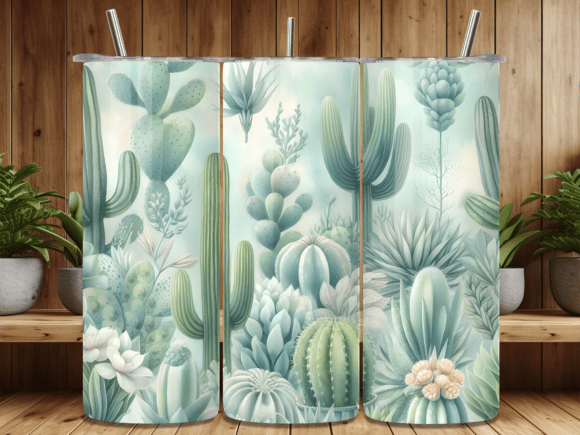
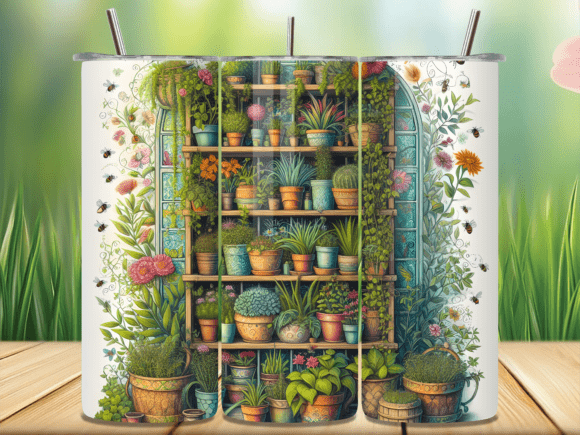
When I first opened the Greenhouse Plant Shelf Tumbler Wrap file on my screen, I wasn't just looking for a pretty picture; I was analyzing how this machine embroidery design would translate into a tangible object. As someone who has spent years curating designs for small business merchandise and personalized gifts, I know that a digital preview can be deceiving. The initial impression here is one of organized charm. The layout suggests a vertical arrangement, likely mimicking a tiered shelf filled with botanical life, which fits perfectly within the Tumbler Wraps category.
The visual personality of this piece leans heavily into the "plant parent" aesthetic—a massive trend in the handmade market right now. It feels cozy yet structured. For an Etsy seller or a boutique owner, this kind of imagery signals warmth and care. However, before I commit to stitching it on a client order, I need to understand how the lines flow and where the density might build up. A design like this needs to balance intricate details with clean outlines so it doesn't look muddy when stitched onto a curved surface like a tumbler.
Testing the Design in Real-World Scenarios
To truly evaluate the Greenhouse Plant Shelf Tumbler Wrap, I have to imagine it beyond the hoop. Let's say I'm preparing a batch of custom apparel for a local coffee shop that wants to offer eco-friendly vibes. While the title specifies a tumbler wrap, the versatility of this motif makes me think about how it could work as a sweatshirt embroidery element on the chest or even as a large embroidered patch for denim jackets. The vertical nature of the design is key here. On a flat tote bag, it would stand tall and proud, but on a cylindrical tumbler, the curvature will distort the perspective slightly.
In a real-life scenario, such as creating a holiday gift set, this design offers a perfect opportunity for personalization. Imagine a set of insulated tumblers wrapped in felt, each featuring the Greenhouse Plant Shelf Tumbler Wrap embroidered in varying shades of green. The thread colors would need to be carefully selected to ensure the leaves pop against the background fabric without overwhelming the eye. If I were selling these as a small shop product, the finished presentation would rely heavily on the clarity of the stitch definition. Customers buying handmade items expect crisp edges and no floating threads, especially on high-use items like drinkware accessories.
Considerations for Fabric and Surface Texture
One of the most critical aspects of reviewing any digital embroidery file is understanding its limitations regarding fabric texture. The Greenhouse Plant Shelf Tumbler Wrap features what appears to be detailed foliage. When you introduce fill stitch into a design with many small shapes, the risk of puckering increases, particularly on textured fabrics like fleece or thick felt often used for tumbler wraps. I would strongly advise testing this on scrap fabric first to gauge how the stabilizer interacts with the stitch density.
If you plan to use this on a stretchy material, such as a knit tote bag, you must be cautious. The tension required to hold the shape of the plant shelf could cause the fabric to warp if the stitch density is too high. Similarly, using this on dark fabric requires a different approach than light backgrounds. You might need to adjust the underlay settings to ensure the greens don't get lost in the shadows. For custom apparel projects, always compare the design in black and white mockups to see if the contrast holds up before committing expensive thread and time.
Strategic Use in Commercial and Craft Projects
For the creative entrepreneur, the value of the Greenhouse Plant Shelf Tumbler Wrap lies in its ability to elevate a generic item into a branded asset. In the world of commercial embroidery, consistency is everything. If you are building a line of products around nature themes, this design serves as a cohesive anchor. It works well as a tote bag design for farmers' markets or as a decorative accent on aprons for garden-themed events.
However, there are places where this design should be used with care. Small hoop sizes might truncate the bottom of the shelf, ruining the composition. Always confirm the required hoop size before starting your project. Additionally, tiny lettering or extremely fine details in the leaves might not stitch out cleanly on lower-end machines. If you are producing baby embroidery items, ensure there are no loose ends or sharp points that could irritate sensitive skin. The durability of the design matters; items that undergo frequent washing, like kitchen towels or reusable bags, need robust stitching that won't fray after a few cycles.
Enhancing Visual Appeal and Customer Trust
The way you execute the Greenhouse Plant Shelf Tumbler Wrap directly impacts buyer engagement. A sloppy stitch job can make even the best design look cheap, while a precise execution builds customer trust. When I review a finished product, I look for smooth curves in the stems and consistent fill patterns in the leaves. These details signal professionalism. For an Etsy seller, high-quality photos of the actual stitched item—showing the texture of the satin stitch and the depth of the running stitch—are essential for conversion.
Using this design also affects brand consistency. If your shop focuses on botanical themes, incorporating this design asset across multiple product types creates a recognizable identity. Whether it's a pillow cover, a tea towel, or a blanket, the recurring motif helps customers instantly identify your brand. This recognition is invaluable for long-term growth in the craft business sector.
Practical Notes for the Embroidery Designer
Before you download and stitch the Greenhouse Plant Shelf Tumbler Wrap, take a moment to run through your standard checklist. First, test the design on scrap fabric that matches your final material. This allows you to check for issues like thread breakage or excessive tension. Second, review the stitch density. If the design feels too heavy, you may need to reduce the density in your software to prevent puckering, especially on delicate fabrics.
Third, confirm your stabilizer choice. For a tumbler wrap, which often involves cutting the fabric to fit snugly, a tear-away stabilizer might be too weak, while a cut-away could be too stiff. A heat-and-peel option often works best for these applications. Finally, always check the licensing terms. Ensure you have the right to sell finished products made with this embroidery file. Some licenses restrict commercial use or require attribution, and violating these terms can harm your reputation as a maker.
By approaching the Greenhouse Plant Shelf Tumbler Wrap with a critical eye and practical experience, you can transform a simple digital file into a standout piece of craftsmanship. Whether you are making a personalized gift for a friend or stocking shelves for your online store, the attention to detail in your execution will define the success of the project. Remember, the design is only as good as the hands that bring it to life.