Hummingbird Garden Tumbler Wraps Review
I recently opened a new folder for a client project that felt a bit stuck. The brief was for a local botanical shop launching a summer line of eco-friendly merchandise. They needed something that screamed "nature" without looking like a generic stock photo. That is when I pulled up the Hummingbird Garden Tumbler Wrap Design to see if it could save the visual direction. As a graphic designer who has spent years curating assets for real client work, my first impression matters. Does this look polished? Is it scalable? Will it hold up in print? This review breaks down exactly how this design asset performs in a professional workflow.
First Impressions: Mood and Visual Weight
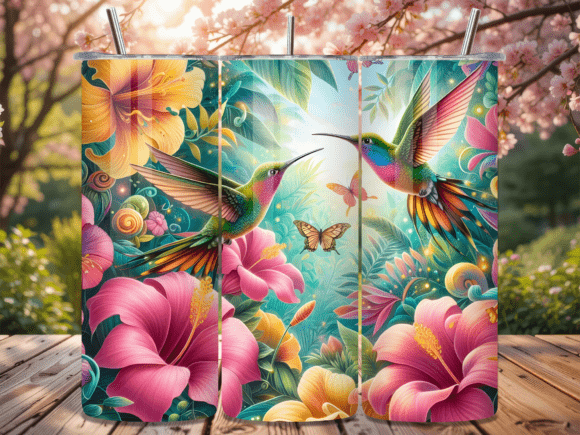
When you first load the Hummingbird Garden Tumbler Wrap Design, the mood is immediately established. It feels vibrant yet organic. The composition balances the delicate movement of the hummingbirds with the lush density of garden foliage. For a small business branding project, this is crucial. It doesn't just look like clipart; it feels like a cohesive illustration meant for commercial use. The color palette suggests freshness, making it an instant fit for spring or summer campaigns. However, as a designer, I know that initial beauty isn't enough. I need to know if it translates from screen to product.
Testing the Asset in Real-World Scenarios
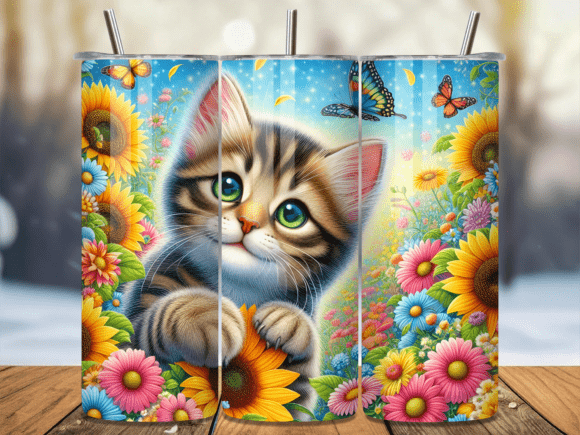
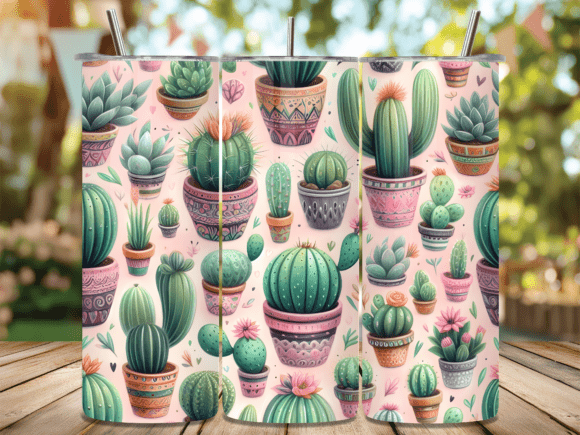
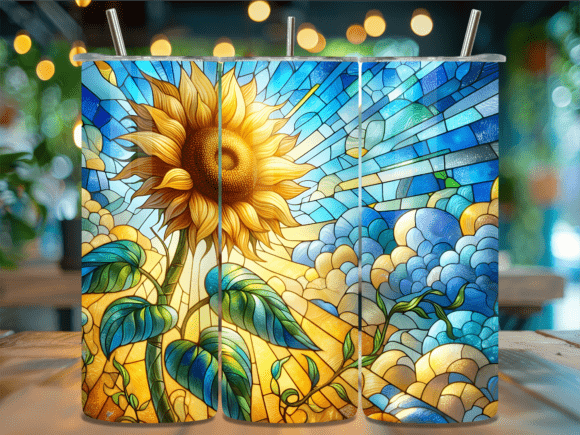
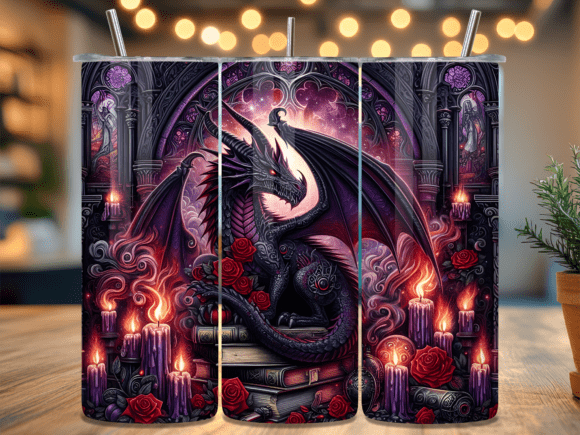
The primary reason I reviewed this file was for a specific application: creating custom Tumbler Wraps. But a good design asset should be versatile. I immediately started dragging the elements into different contexts to test its flexibility. First, I placed it on a 20oz tumbler mockup. The wrap-around nature of the design worked perfectly, ensuring no awkward cuts at the seam. The details of the flowers remained crisp even when wrapped around a curved surface.
Next, I explored other applications. Could this work as a sticker design? Yes, the clean lines made it easy to isolate individual birds or blooms for die-cut stickers. What about a t-shirt design? When scaled up for a chest pocket print, the intricate details held their own, though I had to adjust the saturation slightly to ensure it didn't overpower the fabric texture. I also tested it as a background element for social media graphics and Pinterest pins. By lowering the opacity, the hummingbird motif created a beautiful texture behind bold typography, adding depth without distracting from the message.
Where This Design Shines
- Product Mockups: The seamless flow makes it ideal for wrapping cylindrical objects like mugs, water bottles, and tumblers.
- Large Layout Areas: It works beautifully as a hero graphic on a website landing page or a large poster for a garden center event.
- Decorative Accents: Small cropped sections of the vines make excellent borders for invitations or editorial design layouts.
- Printable Designs: The high resolution ensures it looks sharp on print-on-demand items like tote bags and notebooks.
Where to Use Caution
No asset is perfect for every situation. The Hummingbird Garden Tumbler Wrap Design is detailed, which can be a double-edged sword. In very small sizes, such as a tiny logo mark or a favicon, the fine lines might blur or lose definition. If you are working on a minimalist brand identity that relies on stark, simple geometry, this lush illustration might feel too busy. Additionally, avoid placing it over complex backgrounds or low-contrast text areas. The visual hierarchy can get muddy if the design competes with too many other elements. For professional corporate materials where a serious tone is required, this whimsical style might not align with the brand voice.
Practical Designer Notes for Commercial Use
Before I would recommend this to a client for a paid project, I run through a strict checklist. Here is what you need to verify before using the Hummingbird Garden Tumbler Wrap Design commercially.
Technical Integrity Checks
- Resolution and Scale: Zoom in to 400%. Are the edges pixelated? For sublimation printing, you need vector-quality crispness. If this is a PNG design, ensure the transparency is clean with no white halos around the leaves or birds.
- Color Mode: Check if the file is in RGB or CMYK. For digital ads and web design, RGB is fine. But for physical packaging design or printed merchandise, you must convert to CMYK to avoid color shifts in production.
- Black and White Test: Desaturate the image. Does the contrast still hold? If the design relies entirely on color to distinguish the hummingbird from the flowers, it will fail in grayscale printing or photocopying.
- File Formats: Does the bundle include SVG files? If you are a Cricut user or need to edit paths in Illustrator, having an editable SVG design is non-negotiable. Relying solely on a raster image limits your ability to resize without quality loss.
Typography Pairing
Visual trust comes from consistency. I tested the hummingbird illustration against several font styles. A flowing script font or handwritten font complemented the organic shapes perfectly, reinforcing the handmade aesthetic. However, pairing it with a heavy display font created a nice modern contrast. Avoid pairing it with overly technical or industrial sans-serif fonts unless you are going for a deliberate clash. The goal is to support the brand identity, not fight it.
Licensing and Legal Safety
This is the most critical step for any freelancer or small business owner. Before you upload this to your Etsy shop or send it to a printer, confirm the commercial license. Does the license allow you to sell finished products? Can you use it for multiple clients? Many designers get burned by assuming a "personal use" asset is free for business. Ensure the terms explicitly cover print-on-demand, merchandise, and marketing visuals. If the license is unclear, do not use it for a paying client.
Final Verdict: Is It Client-Ready?
After putting the Hummingbird Garden Tumbler Wrap Design through its paces, I am confident recommending it for specific niches. It is an excellent choice for boutique brands, seasonal campaigns, and creators looking for a touch of nature-inspired elegance. It elevates a standard product into a collectible item. Whether you are designing a Canva template for a blog or creating a full design bundle for a craft fair, this asset adds immediate value.
However, remember that a great asset is only half the battle. Your job as a designer is to place it correctly, check the contrast, respect the licensing, and ensure it serves the overall visual hierarchy. When used thoughtfully, this design transforms a simple tumbler into a statement piece that captures the joy of the garden. For the right project, it is definitely a keeper in my creative library.